MMA Introduction Video v.1: “
https://content.screencast.com/users/LM2Network.com/folders/Camtasia/media/12828841-9ce1-4bd4-b989-cbd184baeb9c/scplayer.swf“
Why Value Creation is the Foundation of Business: How to define it, measure it, and manage it
Start Doing These Things for Yourself to Transform Your Life in Less Than a Year
Start Doing These Things for Yourself to Transform Your Life in Less Than a Year: “Your life is your signature creation. It is your duty to live true to yourself, with authenticity. Your life’s mission is to express yourself boldly, create what you love and love what you create. It’s about expanding and living your vision of yourself — until it is the greatest possible expression of who you are. The most important step to change anything in life is this: You must first make a commitment. You have to decide that you really want to make a change or transform your life this year, and that it’s more important than almost anything else. And find the things that eat up your time that are less important than the changes you want to make. Find your why”
Dario Gil: Cognitive systems and the future of expertise | TED@BCG | TED Institute | Watch | TED.com
Have the Wheels Fallen Off of Reg CF Crowdfunding? – Crowdfund Insider
The Alliance 2017 Summer Conference | Accelerating MidMarket Growth
Certified Social & Community Manager
help us accomplish ambitious goals
For decades, we have been stockpiling digital information. We have digitized the history of the world’s literature and all of its medical journals. We track and store the movements of automobiles, trains, planes and mobile phones. And we are privy to the real-time sentiments of billions of people through social media. It is not unreasonable to expect that within this rapidly growing body of digital information lies the secrets to defeating cancer, reversing climate change, or managing the complexity of the global economy. We believe that many of the ambiguities and inefficiencies of the critical systems that facilitate life on this planet can be eliminated. And we believe that AI systems are the tools that will help us accomplish these ambitious goals.
Are you in a fog or a cloud? Get ready for more complexity to come
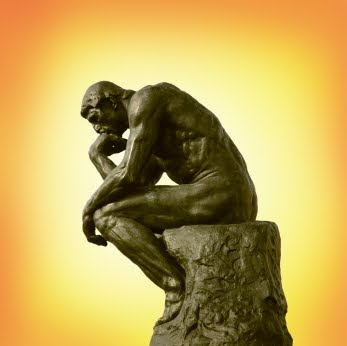
brilliant thoughts

 So what is the difference between a fog and a cloud? Well, actually bandwidth is part of the answer and where data needs to be situated.
Slow connections are driving the cloud closer to the actual asset that has the information, the cloud needs. “Fog computing, or edge computing” is getting closer to those local computers and devices to solve this bandwidth problem we all will be having it seems.
Solutions are looking far more to the how and where we store data and how we are setting about how to access it.
Fogging solutions are coping with the problem that sensor loading is creating altering what goes to the cloud and why
The reason why I’m interested in this, on a dedicated site discussing platforms and ecosystems, is that this fog computing is attempting to solve multiple problems at the edge where innovation lies far more for us to…
View original post 1,692 more words
 MidMarket.ai